
‘Tony G’ is heading up Lithuania’s transformation into a Crypto Boomtown
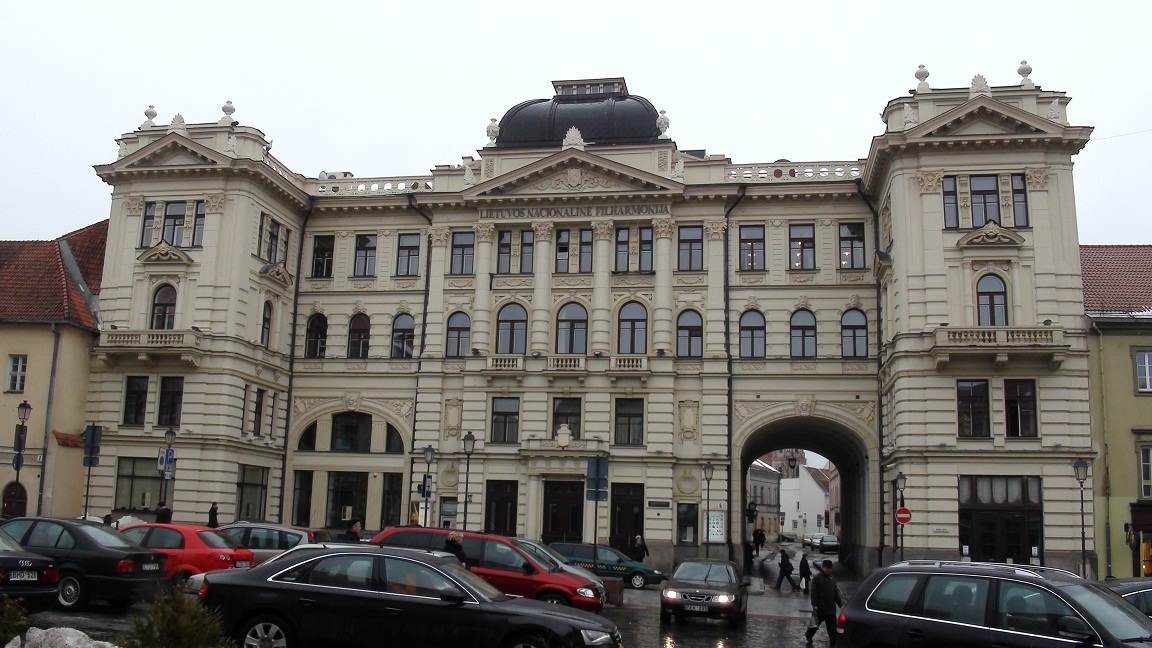
Lithuania may be a country of just 2.8 million, and our capital city of Vilnius may lag behind 77 other European cities in terms of population, but we are currently outperforming countries 20 times our size in the cryptocurrency and token industries. Lithuania is, at present, ranked as the fifth largest European country for crowdfunding, and our capital city of Vilnius – previously known mostly for its baroque architecture – is transforming itself into a 21st-century hub for cryptocurrency innovation.
Cryptocurrency is an even playing field
Thanks to its decentralised nature, cryptocurrency is one of the few international industries that is currently an open playing field. Irrespective of a country’s GDP, population or presence in the arms race, when it comes to crypto every country has the potential to be a valid player. Consequently, countries that are traditionally lacking both in terms of economy and industry can capitalise on the opportunities available within the token industries. However, the UK, amongst others, is surprisingly slow off the mark, leaving room for nations like Serbia, Slovenia and Lithuania to make considerable gains.
With reports abounding that Bankera, a Fintech platform based in Lithuania, raised $150 million with its crypto bank ICO in 2017, fast internet speeds and a comparatively low cost of living, it’s little wonder that so-called “Crypto Bros” are flocking to our Baltic nation. Digital currencies may still be experiencing extreme levels of volatility, but according to CoinMarketCap, the global market is worth over $270 billion. And the “crypto bros” who famously relocated to Lithuania have raised over half a billion euros in the past year alone from their ICOs and blockchain ventures.
Support from high (stakes) places
Lithuanian MEP, Antanas Guoga, is spearheading the push to make Lithuania the crypto capital of Europe by driving an open regulatory stance on blockchain technology and non-fiat currencies. The high-rolling former poker pro known as ‘Tony G’ is the perfect champion for this blossoming industry in Lithuania. Known for his appearances on PokerStars TV, as well as attendance at high-stakes tables and events across Europe, Guoga’s colourful history with the discipline is the stuff of legend.
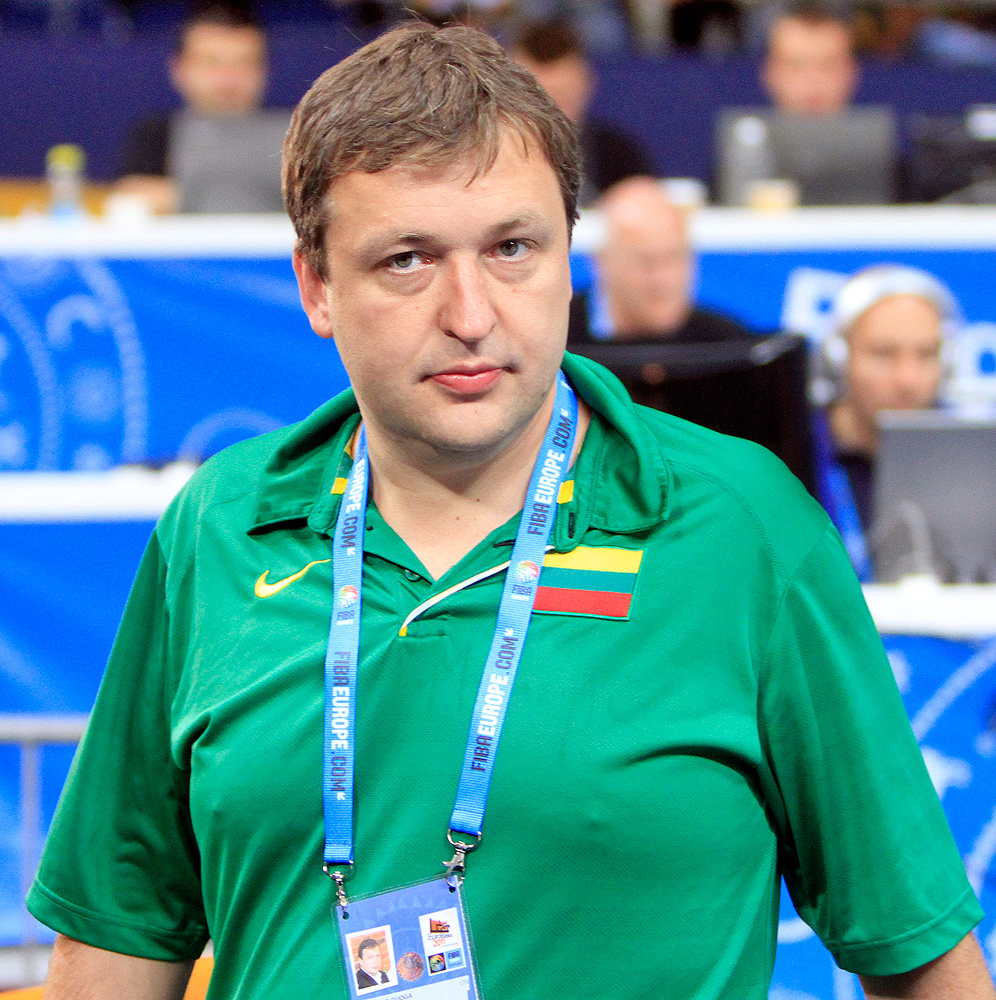
His years of experience at the poker table have given Guoga a good sense of when to take strategic risks; and despite the relative instability of the still-developing blockchain revolution, he firmly believes that Lithuania stands to gain a lot more than it would lose – “we are still far behind Western Europe (economically)… we don’t have much to lose.”
Guoga isn’t alone in his belief that Lithuania can become a veritable crypto boomtown. Vladas Jurkevičius, CEO for the Lithuanian “digital identity” startup Safein, has also stated that, despite Lithuania not having access to “large VC funds” or a “track record of world-famous tech start-ups”, the country is a prime location for ICOs and crypto enterprises because “only the team, technology and idea matters”.
Changing the landscape
Head of business development for Birdchain, Joao Martins, relocated to Lithuania from his native Portugal two years ago to become involved in this tokenized advertising and rewards platform, with an office in Vilnius. He has noticed “a clear path of investment in technological infrastructure and education” throughout the whole country during his time here.
Lithuania’s famous, open-arms regulatory framework for the Fintech industries has meant that projects have received governmental support here that they wouldn’t necessarily get in other, leading economies. With so many blockchain entrepreneurs flocking to the country, investing real cash into the development of digital units, the country’s economy is set to grow by 3.1% in 2018. Which, according to the European Commission, places it ahead of the 2.3% average expected across the rest of the European Union.
The future of cryptocurrency and blockchain technology is still relatively unknown. However, the industry has arrived in Lithuania at just the right time, and its phenomenal growth will, in turn, open up a whole new world of opportunities for the country and its people.
Order this tour at tour.baltic@gmail.com